
Forward-Deployed Engineers: A Practical Route to Successful AI Implementation
Selecting the right AI tool is only the starting point. Learn how forward-deployed engineers (FDEs) and vendor-agnostic consulting help professional companies build secure, scalable, and workflow-specific AI solutions.
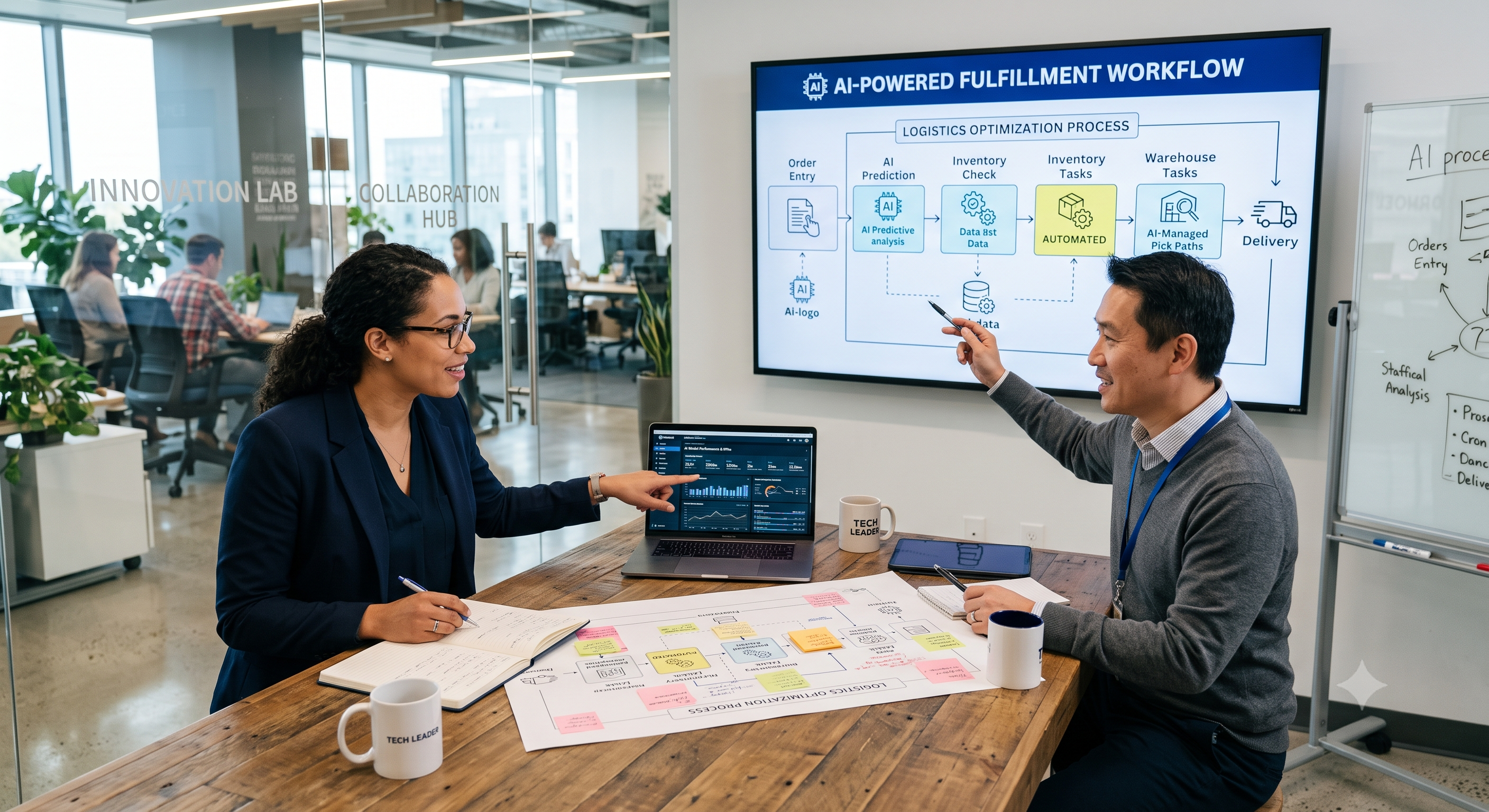
FIG. 01 Hudson Group architectural analysis and deployment trajectory.
Many organisations have experimented with generative AI. Teams are using tools to summarise meetings, draft documents, analyse information and support research. But while individual use can be quick to adopt, turning AI into a secure, scalable and valuable business capability is more complex.
The challenge is rarely just choosing an AI tool.
Successful AI implementation requires a clear understanding of business processes, data, systems, employee needs and governance requirements. It also requires the ability to design, build and improve solutions in the context of how the organisation actually operates.
This is why the role of the forward-deployed engineer is becoming increasingly important.
Forward-deployed engineers work closely with business teams to translate AI opportunities into practical solutions. They do not simply recommend technology from a distance. They get close to the workflow, understand the operational problem and help implement AI in a way that works within the organisation’s existing environment.
At Hudson Group, our forward-deployed engineers combine technical capability with a practical understanding of business operations. As a vendor-agnostic AI consulting partner, we help clients select and implement the right technologies for their requirements — rather than forcing a particular platform, model or software product into every situation.
ROLLE DEFINIERT
What is a forward-deployed engineer?
A forward-deployed engineer is a technical specialist who works directly alongside a client’s business, operational and technology teams.
Their role sits between engineering, consulting and implementation. They help organisations move beyond broad AI ideas by understanding the details that determine whether a solution will succeed in practice.
This may include:
- Mapping current processes and identifying bottlenecks
- Reviewing systems, data sources and user requirements
- Designing AI-enabled workflows
- Building prototypes and production-ready solutions
- Integrating AI into existing technology environments
- Establishing security, permissions and governance controls
- Supporting testing, employee adoption and ongoing improvement
The forward-deployed model is particularly useful for AI because every business operates differently. Two organisations may use the same CRM, document-management platform or finance system, but their workflows, data structures, approval processes and client obligations may be very different.
A generic AI tool can be useful for experimentation. However, it is unlikely to address every operational requirement without configuration, integration and careful implementation.
STRATEGIA AI
Why forward-deployed engineers matter for AI strategy
Business leaders are often presented with a growing range of AI platforms, copilots, automation tools, large language models and specialist applications. While this creates opportunity, it can also create uncertainty.
Questions commonly include:
- Which AI use cases should we prioritise?
- Should we use an existing software provider’s AI capability or introduce a specialist tool?
- Can we securely use our internal and client data?
- How do we connect AI to our existing workflows?
- What should remain subject to human review?
- How will we measure value and return on investment?
- How do we avoid becoming locked into the wrong technology choice?
These are not solely technical questions. They are business, operational, commercial and governance questions.
A forward-deployed engineer helps bridge the gap between strategic ambition and practical delivery. Rather than beginning with a preferred product, the work should begin with the business problem.
For example, a professional services firm may want to improve the speed of preparing client reports. The answer may involve generative AI, document automation, workflow integration and human review. But it may not require a fully autonomous AI agent, a complete system replacement or the most expensive platform available.
The right solution depends on the organisation’s objectives, existing systems, data quality, risk profile and employees’ day-to-day work.
NIEZALEŻNOŚĆ TECHNOLOGICZNA
Why vendor-agnostic AI consulting matters
AI technology is evolving quickly, and no single vendor will be the best fit for every business, process or use case.
Some organisations may already have useful capabilities within their existing Microsoft, Google, Salesforce, Atlassian, CRM, ERP or document-management environments. Others may need specialist AI tools, custom integrations, private model deployments or workflow automation platforms. In many cases, the best answer will combine several technologies.
Hudson Group takes a vendor-agnostic approach to AI consulting.
That means our recommendations are based on what is most appropriate for the client’s business — not on selling a particular software licence or promoting one technology provider above all others.
A vendor-agnostic approach can help businesses to:
- Evaluate AI options against real operational needs
- Make better use of existing technology investments
- Avoid unnecessary duplication of tools
- Reduce the risk of premature vendor lock-in
- Select solutions that meet security, compliance and integration needs
- Build an AI architecture that can adapt as technology changes
This does not mean avoiding platforms or delaying decisions indefinitely. It means making decisions with a clear rationale.
The aim is to create an AI environment that is practical, manageable and aligned with the organisation’s long-term strategy.
DOJRZAŁOŚĆ OPERACYJNA
From AI pilots to business-ready solutions
Many businesses have completed early AI pilots. These may have demonstrated that a model can draft a document, classify information or answer questions based on internal content.
The next step is harder: turning a promising pilot into a reliable capability that employees can use every day.
A business-ready AI solution needs more than a good demonstration. It needs to work within a real process.
That usually involves:
Clear process definition Understand the current workflow, including handovers, exceptions, approvals and common sources of delay.
Appropriate data access Identify which information the AI can access, what it should not access and how permissions will be managed.
System integration Connect the solution to the systems employees already use, where appropriate. This could include CRMs, document repositories, practice-management systems, email, knowledge bases or workflow platforms.
Human oversight Define where people need to review, approve or correct AI-generated content and decisions.
Security and governance Establish policies, controls and auditability that reflect the sensitivity of the work.
Measurement and improvement Monitor adoption, output quality, process performance and business outcomes after implementation.
Hudson’s forward-deployed engineers can work with internal teams throughout this journey. They help translate high-level AI ambitions into solutions that are designed around the organisation’s people, processes and technology estate.
USE CASES
Practical AI use cases for professional companies
Forward-deployed engineering is especially valuable where AI needs to be embedded in complex, document-heavy or regulated workflows.
Examples of practical AI use cases include:
Internal knowledge search and research AI can help employees find and summarise approved information from internal policies, project materials, templates, previous work and knowledge bases. For professional services firms, this can reduce time spent searching for relevant information while helping teams apply consistent internal guidance. The implementation priority is ensuring that responses are based on trusted sources, permissions are respected and users can verify the underlying information.
Document processing and drafting AI can support the extraction, classification and summarisation of documents. It can also create first drafts of routine correspondence, reports, proposals or internal records. These workflows should be designed so that employees remain responsible for checking accuracy, professional judgement and final approval.
Enquiry triage and workflow routing Businesses can use AI to classify incoming client requests, identify urgency, extract key information and route work to the appropriate team or process. This can improve responsiveness and reduce manual administration, particularly when combined with clear service rules and exception handling.
Meeting, project and client administration AI can help capture meeting actions, prepare summaries, update project records and suggest follow-up tasks. Although these use cases can appear straightforward, they still require decisions about confidentiality, data retention, output review and integration with the organisation’s chosen systems.
AI-enabled process automation More advanced solutions may combine generative AI with automation. For example, an AI assistant could review an incoming request, gather information from approved systems, prepare a structured summary and trigger a workflow for employee review. This can create meaningful efficiency improvements, but it should be implemented with careful controls over permissions, actions, audit trails and escalation.
PREPARATION CHECKLIST
What businesses should consider before implementation
Before implementing AI, organisations should assess the foundations needed for sustainable adoption.
Data quality and access AI solutions need accurate, current and well-managed information. Businesses should identify the relevant data sources, clarify ownership and address duplicated or outdated content.
Business process maturity AI should improve a process, not amplify its weaknesses. Mapping the current process is essential before deciding which tasks to automate, augment or retain as manual work.
Security and confidentiality Professional companies may handle commercially sensitive, personal or client-confidential information. AI implementation should include clear controls around access, data handling, retention, identity and supplier risk.
AI governance and responsible AI Businesses need practical AI governance. This includes acceptable-use guidance, accountability, human oversight, quality assurance, record-keeping and procedures for addressing errors or incidents.
Employee adoption and training Employees need more than access to a tool. They need to understand where AI is useful, when it should not be used and how to validate outputs responsibly.
Technology integration The value of AI often increases when it works with the systems employees already use. A forward-deployed engineer can help determine whether integration is appropriate, technically feasible and commercially worthwhile.
Measuring value Every AI initiative should have a defined business outcome. Measures may include turnaround times, employee capacity, response times, quality, rework, compliance performance or client experience.
OUR SERVICES
How Hudson Group can help
Hudson Group helps professional companies identify, plan, implement and scale AI solutions that fit their business.
Our vendor-agnostic approach means we start with your objectives, workflows, systems, data and risk requirements. We then help you select the most appropriate combination of AI tools, platforms, integrations and operating practices.
Our forward-deployed engineers can work directly with your internal teams to design, build and embed solutions in real business environments.
Hudson Group can support with:
- AI strategy and AI readiness assessments
- AI opportunity identification and prioritisation
- Vendor-neutral technology evaluation and selection
- Generative AI implementation
- AI-enabled workflow and business process automation
- Data, systems and software integration
- AI governance and responsible AI frameworks
- Security, testing and implementation support
- Employee training, change management and adoption planning
Whether you are exploring your first AI use case or scaling established initiatives, our focus is on practical delivery and measurable business value.
SUMMARY
Conclusion
Forward-deployed engineers represent an important shift in how businesses approach AI implementation. The goal is no longer simply to test a new tool. It is to build AI capabilities that work within real processes, support employees, integrate with existing systems and meet appropriate standards for security and governance.
For professional companies, a vendor-agnostic approach is equally important. The best AI solution is not necessarily the most widely marketed platform or the newest model. It is the solution that addresses the right business problem, fits the operating environment and can be managed effectively over time.
Hudson Group helps professional companies turn AI opportunities into practical, secure and measurable business outcomes. Contact our team to discuss your AI strategy, automation opportunities or implementation roadmap.
FAQ
Frequently Asked Questions
What is a forward-deployed engineer?
A forward-deployed engineer is a technical specialist who works directly with business teams to design, build and implement technology solutions around their specific workflows, systems and operational requirements.
What does vendor-agnostic AI consulting mean?
Vendor-agnostic AI consulting means recommendations are based on the client’s needs rather than on selling a particular AI platform, software licence or technology provider.
How can forward-deployed engineers help with AI implementation?
They help bridge the gap between AI strategy and delivery by understanding business processes, designing practical solutions, integrating systems, managing technical risks and supporting adoption.
Should businesses use one AI platform for every use case?
Not necessarily. Some use cases may be best served by existing business software, while others may require specialist tools, custom development or automation platforms. The right approach depends on the business problem, data, security needs and technology environment.
What should businesses do before implementing AI?
Start by identifying high-value business processes, defining desired outcomes, reviewing data and system readiness, considering security and governance requirements, and involving employees who understand the work.
Marcus leads enterprise assessment and roadmap engagements at Hudson Group, with a focus on regulated TMT organizations moving from pilot to production. He has overseen deployments across Switzerland, Poland, and the wider EU.